
My Supplement Stack/Inside Out Skincare Routine: What I Take and Why
A quick disclaimer: I am not a doctor and this is not medical advice. This is what I take, why I take it, and what I have noticed. Always consult your own healthcare provider before starting any new supplement.
Another note: the links below are affiliate links. That means if you purchase through them I receive a small commission at no additional cost to you. I only share what I actually use and believe in.
This stack was built over time, through research, through the guidance of practitioners I trust, and through paying attention to my own body. It is not a protocol. It is a practice. And it has changed how I feel in my body during a season of real hormonal transition.
Daytime
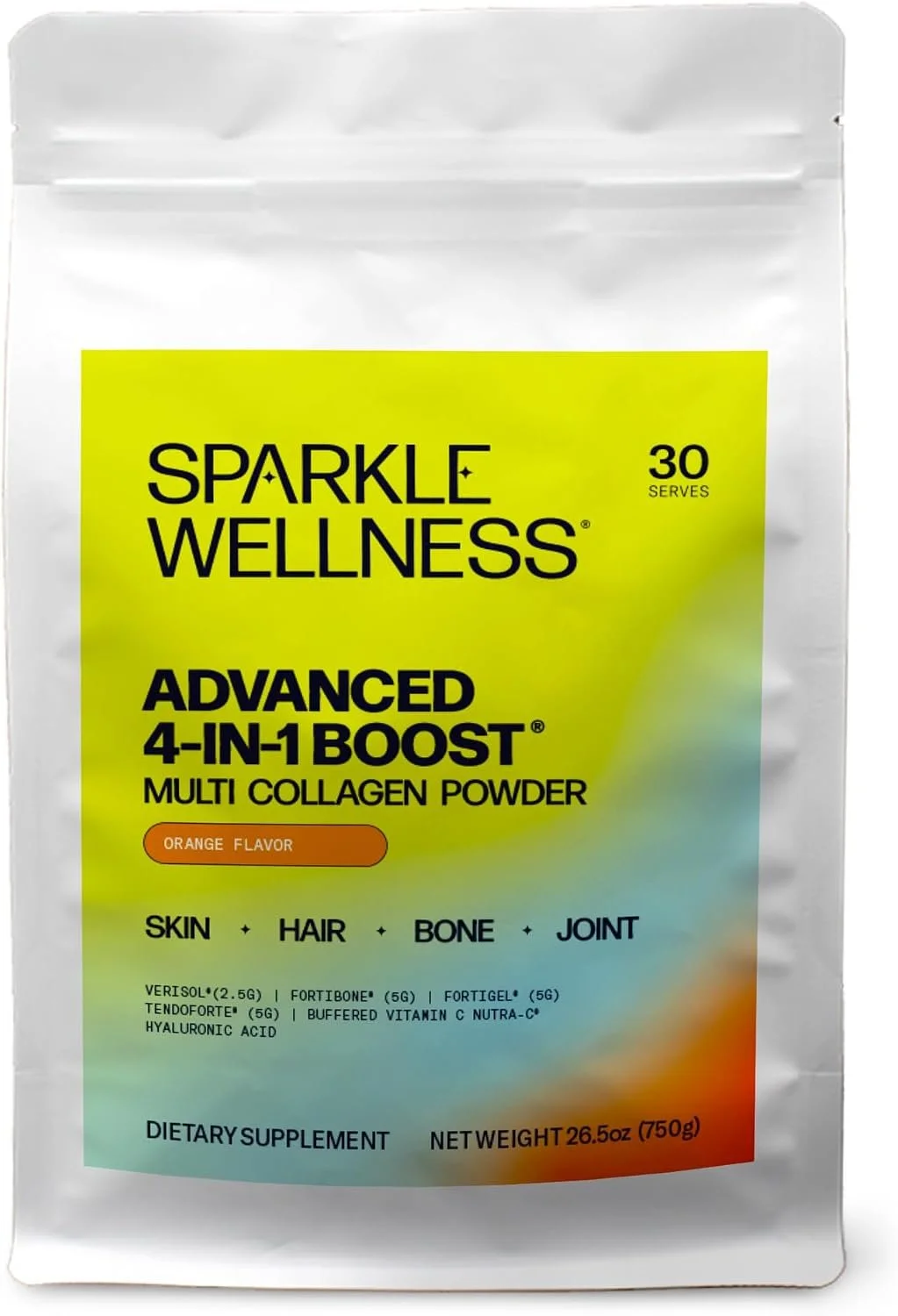
Sparkle Wellness Four-in-One Collagen
As estrogen declines, collagen production drops significantly, up to 30 percent in the first five years of menopause. Most of us feel this as skin changes, joint stiffness, and a general sense that our structure is shifting. This collagen uses four clinically researched bioactive peptides, VERISOL for skin elasticity, FORTIBONE for bone density, FORTIGEL for joint mobility, and TENDOFORTE for tendon resilience. I take it daily in water, coffee, or a smoothie. I have taken it for months and the difference in my skin and joints is real.
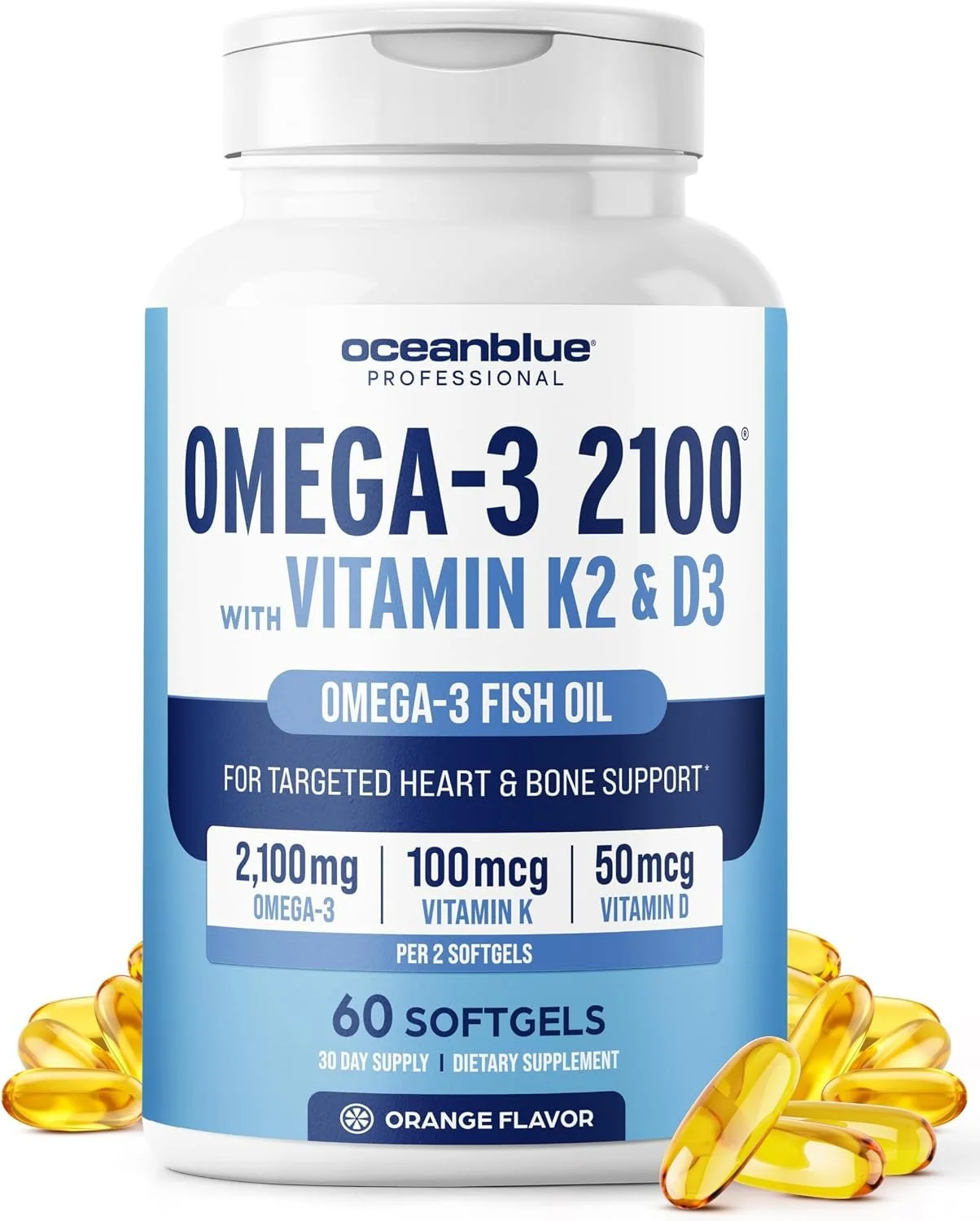
Omegas with Vitamin D3 and K2
Omega-3 fatty acids support cardiovascular health, brain function, hormonal balance, and inflammation reduction, all of which become more pressing during and after the hormonal transition. Vitamin D3 supports bone density, immune function, and mood. K2 ensures the calcium you absorb goes to your bones rather than your arteries. These three work together as a system. I take mine with breakfast.
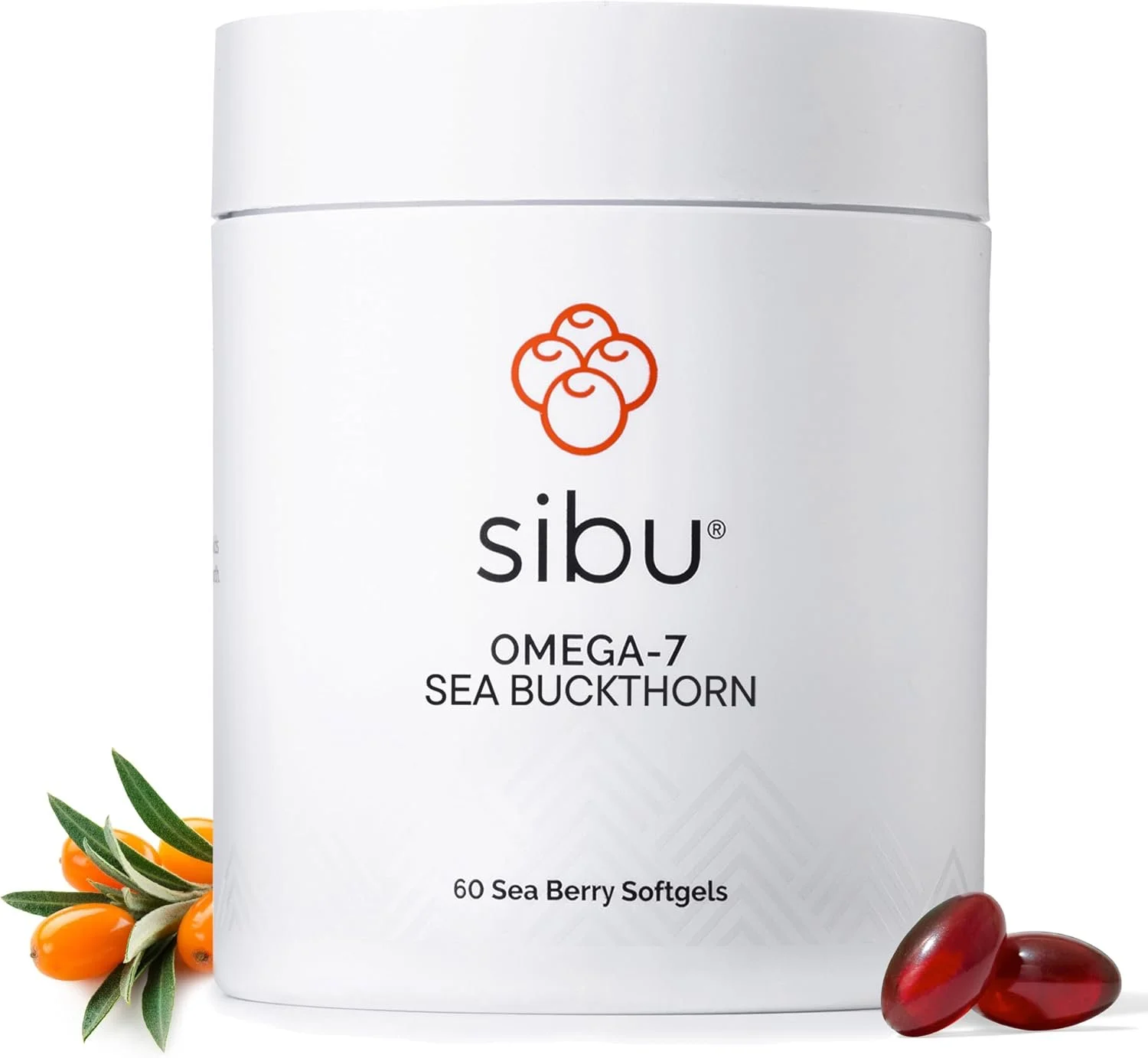
Sea Buckthorn
This is the one supplement most women have never heard of and the one I recommend most consistently for this stage of life. Sea buckthorn is one of the very few plant sources of omega-7 fatty acids, which support mucosal integrity throughout the body. In plain language: it addresses the dryness that estrogen decline causes, in the skin, the eyes, the digestive tract, and the vaginal tissue. A clinical study found that sea buckthorn oil significantly improved vaginal epithelial health in postmenopausal women compared to placebo. It also supports cardiovascular health and skin hydration. This is not a topic most wellness content addresses honestly.
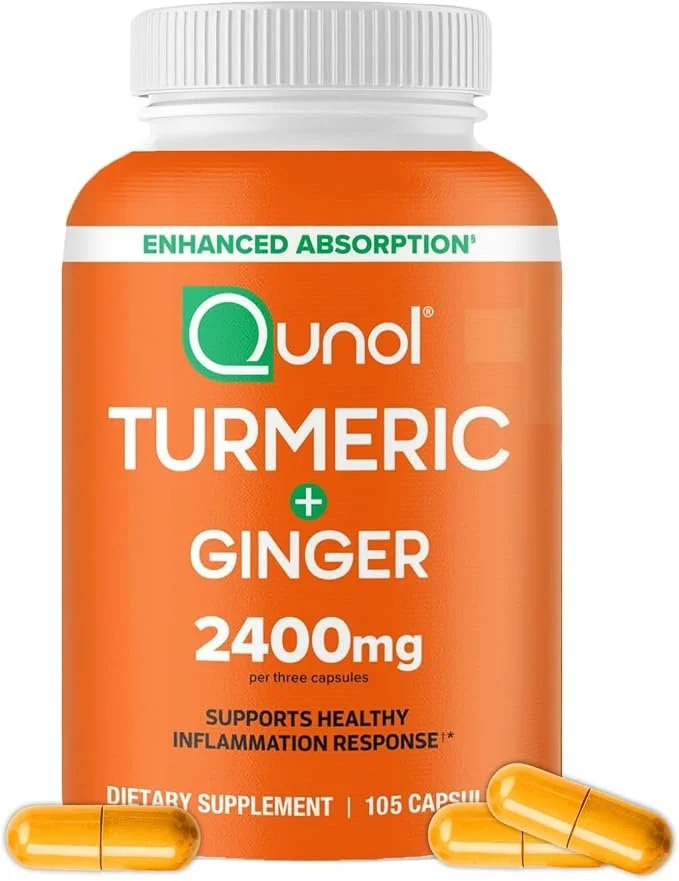
Turmeric with Ginger
Chronic low-grade inflammation increases during the hormonal transition and it shows up as joint pain, brain fog, digestive changes, and mood instability. Turmeric's active compound curcumin is one of the most clinically studied anti-inflammatory compounds available. Paired with ginger, which supports digestion and has its own anti-inflammatory properties, this combination addresses the slow fire that runs underneath so many of the symptoms we experience. I take it every morning and afternoon without fail.
Nighttime
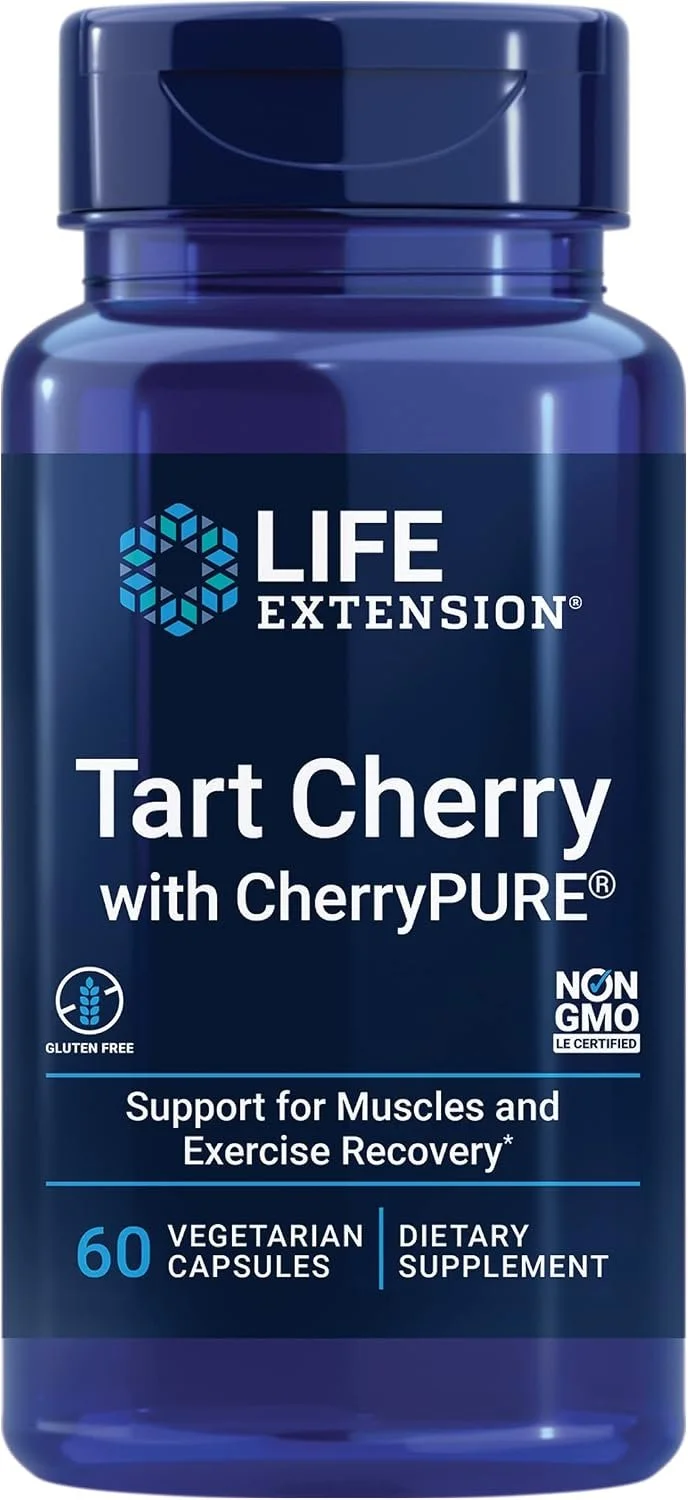
Tart Cherry
Tart cherry is one of the very few natural food sources of melatonin. Clinical research shows that tart cherry concentrate significantly increases melatonin levels and improves sleep duration and efficiency. Research also suggests it may help blunt the nighttime cortisol spikes that are particularly common during perimenopause and that cause so many of us to wake between 2 and 4am. I take mine thirty minutes before I want to sleep.
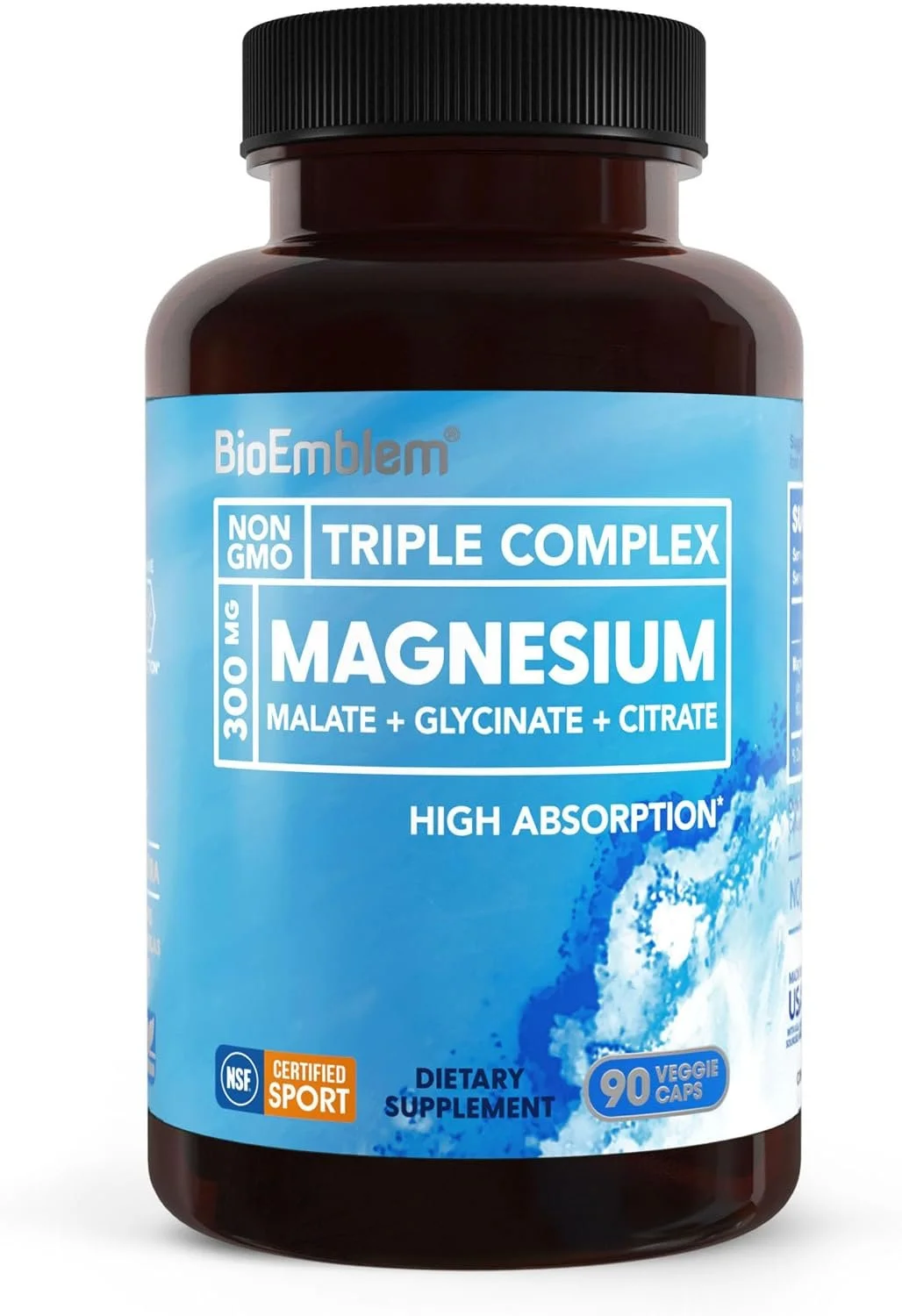
Magnesium Glycinate
We introduced magnesium back in Week 3 and it has been part of my evening routine for years. Magnesium is involved in over 300 biochemical reactions in the body, including nervous system regulation, melatonin production, muscle relaxation, and cortisol modulation. Women in perimenopause and menopause are particularly vulnerable to deficiency as estrogen decline affects magnesium absorption. Magnesium glycinate is the form most bioavailable for the nervous system and least likely to cause digestive discomfort. Take it thirty minutes before sleep alongside the tart cherry.